
Reading time: 05 minutes
Team PSP | 10/03/2026
The landscape of healthcare research is undergoing a revolutionary transformation. As we stand at the intersection of technology, data science, and medical innovation, the methodologies that once defined clinical research are evolving at an unprecedented pace. This evolution promises not just incremental improvements, but fundamental shifts in how we discover treatments, understand diseases, and deliver personalized care to patients worldwide.
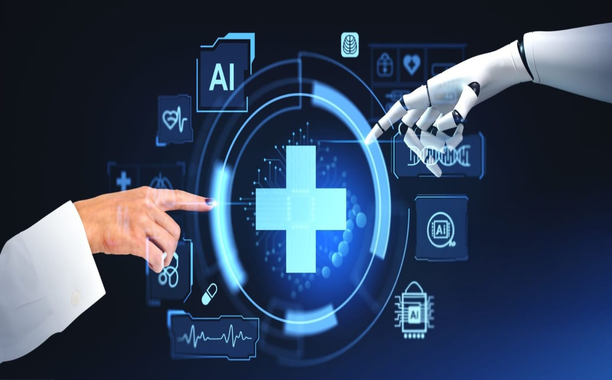
The Digital Revolution in Healthcare Research
Traditional healthcare research methodologies, while foundational, are being enhanced and sometimes replaced by digital-first approaches that leverage the power of artificial intelligence, big data analytics, and real-world evidence. These innovations are addressing long-standing challenges in clinical trials, patient recruitment, data collection, and outcome measurement.
Digital Twins and Virtual Trials
One of the most exciting shifts in research methodology is the use of Digital Twins.
A Digital Twin is a virtual representation of a biological system—be it a single organ or a whole patient—created using real-world data and biomarkers.
Researchers can use these twins to simulate a patient’s reaction to a specific treatment without any risk to the individual. This “In-Silico” testing allows for adaptive trial designs, where protocols can be adjusted in real-time based on virtual data, significantly reducing the need for large-scale human testing in early phases.
Precision Medicine and Personalized Research Approaches
Precision medicine is reshaping healthcare research by focusing on individualized patient characteristics such as genetics, lifestyle, and environment. Instead of one-size-fits-all treatments, research now aims to deliver personalized therapies with higher success rates.
Innovative healthcare research in precision medicine leads to:
- More effective treatment outcomes
- Reduced adverse drug reactions
- Improved chronic disease management
This patient-centric approach is redefining how medical research is conducted and applied.
Collaboration and Digital Innovation in Healthcare Research
Cross-industry collaboration is another key driver of innovation in healthcare research. Pharmaceutical companies, research institutions, technology firms, and regulatory bodies are working together to accelerate discoveries.
Digital tools such as cloud computing, blockchain, and interoperable data platforms enhance:
- Secure data sharing
- Research transparency
- Regulatory compliance
These collaborative efforts are essential for advancing global healthcare research outcomes.
The Road Ahead for Healthcare Research
The future of healthcare research lies in continuous innovation, ethical data use, and patient engagement. As new technologies emerge, research methodologies will become more adaptive, predictive, and outcome-focused.
By embracing innovation, healthcare research can deliver faster breakthroughs, improved patient care, and sustainable healthcare systems worldwide.
Conclusion
The future of healthcare research stands at a remarkable inflection point where technological innovation, scientific discovery, and patient-centered care converge to create unprecedented opportunities for improving human health. The methodologies shaping this future—from artificial intelligence and machine learning to decentralized trials and precision medicine—are not merely incremental improvements but revolutionary approaches that fundamentally reimagine how we understand, prevent, and treat disease.
As we’ve explored throughout this article, the transformation of healthcare research extends far beyond the laboratory. It touches every aspect of the research ecosystem: how we collect and analyze data, how we design and conduct clinical trials, how we involve patients in the research process, and how we translate scientific discoveries into real-world treatments that save and improve lives.
The integration of digital technologies has democratized research participation, making clinical trials more accessible to diverse populations and generating insights from real-world patient experiences. Artificial intelligence has accelerated drug discovery and enabled personalized treatment approaches that account for individual genetic variations. Collaborative platforms have broken down institutional barriers, allowing researchers worldwide to pool knowledge and resources in pursuit of common goals.
However, realizing the full potential of these innovations requires more than technological advancement alone. It demands thoughtful consideration of ethical implications, commitment to equitable access, robust data protection frameworks, and regulatory systems that can adapt to rapid change while maintaining rigorous safety standards. The healthcare research community must ensure that progress benefits all populations, not just those with access to cutting-edge technology and resources.
Frequently Asked Questions (FAQs)
Q1. What is the future of healthcare research?
The future of healthcare research focuses on data-driven, AI-powered, and patient-centric methodologies that improve research efficiency and clinical outcomes.
Q2. How is artificial intelligence used in healthcare research?
AI in healthcare research helps analyze large datasets, optimize clinical trials, and accelerate drug discovery while improving diagnostic accuracy.
Q3. Why are decentralized clinical trials becoming more popular?
They make participation easier by allowing patients to contribute data from home using wearables. This increases participant retention and ensures research includes a more diverse range of people.
Q4. Can innovation in research help lower drug prices?
Yes. By using AI and virtual simulations to speed up the R&D process and reduce “failed” trials, pharmaceutical companies can significantly lower the overall cost of bringing a new drug to market.
Q5: What is the role of "Real-World Evidence" (RWE) in future research?
RWE involves using data from everyday life (like fitness trackers or electronic health records) to see how treatments work in the real world, rather than just in a controlled lab setting.