
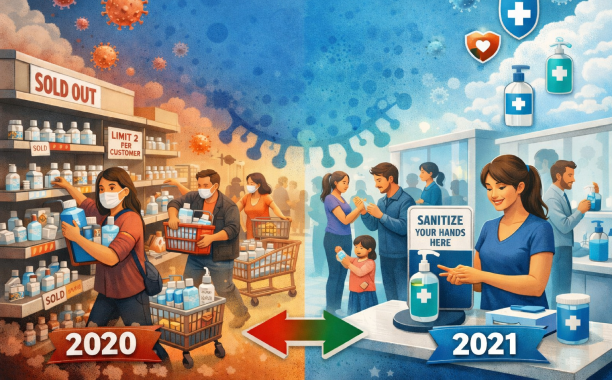
As we move through 2021, the “holy grail” of 2020 has officially become a staple of modern life. While the initial onset of the novel coronavirus pandemic turned hand sanitizers into a rare commodity, the market has matured significantly over the past year. What began as panic buying and a desperate gap between supply and demand has evolved into a sophisticated global industry valued at billions of dollars.
The COVID-19 virus undeniably accelerated this shift, but in 2021, we are seeing that the trend is here to stay. Driven by rising per capita income in developing nations and a permanent shift in how we view personal wellness.
Global Market: 2021 Opportunities and Key Trends
1. The Millennial Push for “Healthy Lifestyles”
Public health awareness programs by the WHO and FDA have successfully moved hand hygiene from a hospital requirement to a daily civilian habit. Millennials, now the largest buying demographic, are leading this charge. For this group, a portable sanitizer is as essential as a smartphone—driven by a conscious need for germ protection and a desire for products that fit an “on-the-go” lifestyle.
2. The “Influencer” Effect and E-Commerce
The internet has been instrumental in shaping how we buy hygiene products. In 2021, we no longer just grab whatever is on the shelf. Social media influencers and e-commerce giants like Amazon and Flipkart have transformed sanitizers into a “grooming” category. Lucrative discounts and educational content on these platforms have made premium and specialized brands more accessible than ever.
3. The Rise of Organic and Fragrant Formulations
We’ve all experienced the “awful” chemical smell of early pandemic-era sanitizers. In response, 2021 is the year of organic and skin-friendly alternatives.
- Organic Sanitizers: Consumers are moving away from harsh chemicals toward sustainable, chemical-free ingredients.
- Scented Options: From Lavender to Shea Butter, beauty brands are launching “rainbows” of sanitizers that boast skincare benefits and delightful fragrances, moving the product from a medical necessity to a sensory experience.
Strategic Moves by Industry Leaders
As the market stabilizes, the “big players” are making historic investments to ensure they never face a 2020-style shortage again:
- GOJO Industries (PURELL): Despite a flood of new competitors, PURELL remains the market leader. GOJO has been running facilities 24/7, investing heavily in sourcing additional components like pumps and caps through creative new partnerships.
- Reckitt Benckiser (Dettol/Lysol): After a record-breaking start to 2021, the group is spending 100 million pounds to boost production and hiring more research teams to innovate new cleaning routines for a post-pandemic world.
- Unilever (Lifebuoy/Dove): Unilever has made a massive debut in the premium space with Dove Deep Moisture sanitizers, claiming 99.99% effectiveness while focusing heavily on skin health—a direct response to “sanitizer fatigue” and dry skin.
New Challenges: Safety and Quality Control
The rapid growth hasn’t been without its hurdles. As we look at the market today, two major concerns have emerged:
- Chemical Toxicity: The FDA has issued several warnings in 2021 regarding toxic ingredients like methanol and 1-propanol found in substandard products. Overuse of antibacterial agents is also raising concerns about “antibiotic-resistant bacteria.”
- Fire Hazards: The flammable nature of alcohol-based gels has led to a rising number of accidents. This has given the industry a slight “reputational risk,” prompting more research into safer, alcohol-free formulations that don’t sacrifice efficacy.
Local Innovation: The Indian “Sugar Mill” Success Story
India provides a fascinating case study for 2021. When supply chains broke, the government pivoted, prompting 149 sugar mills and distilleries to convert excess cane into ethanol for sanitizers. This move not only solved the shortage but drastically crashed prices, making hygiene affordable for the masses. By May 2021, small companies and distilleries had captured over 65% of the local market share.
The Path Ahead
We are no longer just “fighting a virus.” We are living in a world where hand hygiene is a core component of the global economy. As workplaces reopen and “unwind,” the demand for office dispensers and industrial-sized sanitization solutions is the next big frontier.