
Reading time: 06 minutes
Team PSP | 12/07/2024
In 2024, the boundary between our physical and digital selves has almost entirely dissolved. We are living in a “post-app” era where mental health technology isn’t just a niche tool—it’s a multi-billion dollar lifeline. While innovation has democratized therapy, we are also facing the fallout of a decade-long experiment in constant connectivity.
The Global Mental Health Apps Market, valued at $4.89 billion in 2022, is currently surging toward a projected value of nearly $15.5 billion by 2028. This growth isn’t just about profit; it’s a reflection of a society seeking digital solutions for digital problems.
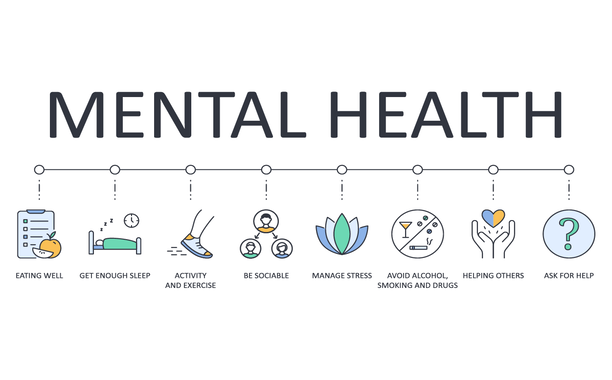
The 2024 Mental Health Landscape: Trends and Realities
- The Dopamine Imbalance: Why We Can’t “Log Off”
In 2024, we understand more than ever that our apps are engineered for Addictive Design. Every notification and “like” triggers a dopamine release in the brain’s reward center.
- The Feedback Loop: This creates a cycle where we seek the screen to relieve the very anxiety the screen created.
- The Overstimulation Crisis: Our brains weren’t designed to process the 24/7 global information stream. In 2024, “Information Overload” is recognized as a primary driver of burnout and cognitive fatigue.
- The Online Disinhibition Effect (ODE)
The “cloak of anonymity” remains a double-edged sword. While it allows people in marginalized communities to find support safely, it also fuels digital toxicity. The speed of 2024’s social discourse often bypasses our “thoughtful reflection” filters, leading to knee-jerk emotional reactions that haunt our mental well-being long after we close the app.
Identity in the Age of Algorithms
Dimension | The Positive Spin (2024) | The Shadow Side (2024) |
Body Image | Movements celebrating radical diversity and “unfiltered” reality are mainstream. | “AI Filters” and curated aesthetics create a distorted sense of self-perception. |
Identity | Virtual communities offer a “home” for those in isolated or unsupportive physical environments. | The pressure to maintain a perfect “personal brand” leads to identity fragmentation and anxiety. |
Tech-Induced Anxiety: The New Clinical Frontier
Research in 2024 highlights three specific “digital stressors” that are now common topics in therapy:
- Cognitive Short-Circuiting: Short-form content (reels, tiktoks) has significantly impacted sustained attention spans, making in-depth focus feel physically draining.
- Digital Displacement: We are seeing “phubbing” (phone snubbing) erode the quality of real-world relationships, leading to feelings of isolation even when in a crowded room.
- The Blue Light Loop: Screen use before bed is no longer just a “bad habit”—it’s a biological disruptor. By suppressing melatonin, our devices are directly contributing to the global insomnia and depression crisis.
Reclaiming Your Brain: The 2024 Balance Strategy
For the “Always-On” Adult
- Work-Life Firewalls: Establish hard stops for work-related apps. If you’re “on-call” 24/7, your brain never enters the “rest and digest” parasympathetic state.
- Intentional Consumption: Unfollow accounts that trigger “comparison trap” anxiety. Use your algorithm to feed your curiosity, not your insecurities.
- Micro-Detoxes: Designate “Analog Zones” in your home—the dinner table and the bedroom should be device-free sanctuaries.
For the Next Generation (Parents)
- Active Co-Use: Don’t just hand over a tablet. Engage with the content together to help children build “digital literacy” and critical thinking skills early.
- Reward the “Off” Switch: Encourage outdoor and tactile hobbies that provide a natural, slower-burning dopamine hit compared to the instant gratification of gaming.
Conclusion: Harnessing the Tool, Resisting the Trap
The goal in 2024 isn’t to retreat into the woods and abandon technology—that’s no longer realistic. Instead, the goal is Mindful Integration. Technology is a brilliant servant but a terrible master. By understanding the neurobiology of dopamine and the psychological traps of social comparison, we can use these $4.8 billion worth of tools to enhance our lives without losing our peace of mind in the process.