
Reading time: 05 minutes
Team PSP | 24/02/2025
In 2025, the line between “food” and “medicine” is thinner than ever. As we prioritize longevity and peak performance, dietary supplements—from daily multivitamins to advanced “live microbials”—have become essential tools in our health kits.
However, as the market reaches a record high in variety (gummies, powders, and even transdermal bars), the challenge isn’t just finding a supplement; it’s understanding what actually works for your unique biology.
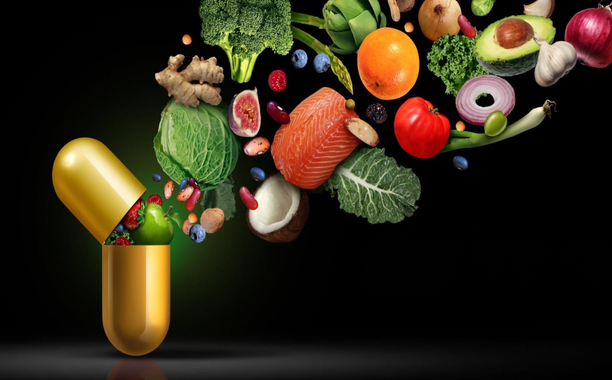
What Exactly Are We Taking?
Dietary supplements are designed to add to your diet, not replace it. Despite the 2025 obsession with “biohacking,” the core categories remain:
- Vitamins & Minerals: The fundamentals like Vitamin D, C, Calcium, and Magnesium.
- Botanicals: Herbs like Ginger and Curcumin.
- Amino Acids: Building blocks like Tryptophan and Glutamine.
- Probiotics & Prebiotics: The “living” tech that manages your microbiome.
The 2025 Reality Check: According to current data, over 58% of adults rely on supplements. But remember: if a bottle claims it can “cure” or “prevent” a disease, the FDA technically considers it a drug—regardless of the label.
The Benefits: Why We Supplement in 2025
- Filling the “Modern Lifestyle” Gap
Even with the best intentions, busy schedules and soil nutrient depletion make it hard to get everything from whole foods. Supplements act as your nutritional “safety net.”
- Targeted Bio-Goals
We no longer just take a “general” pill. Today, we supplement for specific outcomes:
- Athletic Performance: Using Creatine and BCAAs to speed up muscle recovery and energy output.
- Digestive Harmony: Utilizing Digestive Enzymes (like amylase and lipase) and Fiber (psyllium husk or acacia) to fix bloating and nutrient malabsorption.
- The Probiotic/Prebiotic Synergy
In 2025, we understand the “Gut-Brain Axis.” Probiotics introduce the good bacteria, while Prebiotics (inulin, resistant starch) act as the “fuel” that helps them thrive.
The Hidden Risks: It’s Not All “Natural”
The “more is better” myth is one of the most dangerous misconceptions in 2025.
- Toxicity: Overloading on Vitamin A can damage your liver; too much iron causes immediate gastric distress.
- The “Shadow” Market: Because the FDA (under the DSHEA act) doesn’t approve supplements before they hit shelves, some products contain unlisted ingredients or are made in subpar conditions.
- Medication Interference: St. John’s Wort or high-dose Vitamin K can neutralize life-saving blood thinners or antidepressants.
3 Rules for Buying Supplements in 2025
- Demand Third-Party Testing
Never buy a supplement without a USP or NSF International seal. These independent bodies verify that what’s on the label is actually in the bottle—and that there’s no lead, mercury, or mold hidden inside.
2. Adhere to “GMP” (Good Manufacturing Practices)
Choose brands that are transparent about their sourcing and follow strict GMP standards. This ensures the product was made in a controlled, clean environment with consistent potency.
3. Ignore the “Miracle” Marketing
If a supplement promises you’ll “lose 10 pounds in 5 days” or “cure anxiety in a week,” it is a red flag. Real health in 2025 is a result of consistent lifestyle habits, not “magic” pills.
The 2025 Checklist: Before You Buy
- Consult a Pro: Get a blood panel. Your doctor can tell you if you actually have a deficiency before you start guessing.
- Check the Source: Is the brand reputable, or is it a “pop-up” social media brand?
- Analyze the Form: Are you taking a capsule when a liquid offers better bioavailability for that specific nutrient?
Conclusion
Supplements are a powerful 2025 ally, but they require a “science-first” mindset. When used correctly—and in coordination with a healthcare provider—they can be the bridge to a healthier, more energetic version of yourself.