
Reading time: 05 minutes
Team PSP | 10/09/2025
As we navigate through 2025, India stands at a pivotal crossroads in public health. While our nation has rapidly modernized, a “silent killer” continues to haunt our nurseries and playgrounds: Pneumonia. Currently, India bears one of the world’s heaviest burdens of childhood pneumonia, accounting for nearly 20% of global deaths in children under five.
However, the narrative is shifting. Through the expanded Universal Immunization Programme (UIP) and the strategic rollout of the Pneumococcal Conjugate Vaccine (PCV), India is finally turning the tide against this respiratory threat.
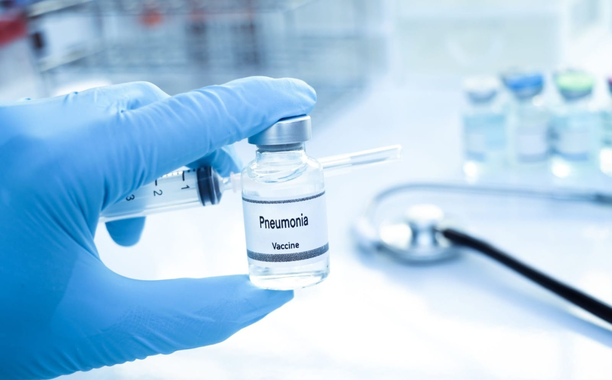
The Power of the PCV13 Vaccine
Why has the government prioritized PCV13? In a diverse landscape like India, we face multiple strains of the Streptococcus pneumoniae bacterium. PCV13 is specifically designed to cover 13 of the most prevalent and severe serotypes found in Indian children.
By integrating this vaccine into the national schedule, India has achieved two critical goals:
- Equity in Healthcare: Previously, only families who could afford private healthcare had access to PCV. Today, every child—regardless of their socioeconomic background—is eligible for protection.
- Combating Superbugs: By preventing bacterial infections at the source, we are reducing the need for broad-spectrum antibiotics, directly slowing the rise of Antimicrobial Resistance (AMR) in our communities.
A Holistic Battle: Beyond the Jab
While the vaccine is a medical marvel, the 2025 strategy recognizes that health does not exist in a vacuum. Pneumonia thrives where nutrition is poor and air is unclean. The Indian government has harmonized vaccination with broader social initiatives:
- Cleaner Air: The Pradhan Mantri Ujjwala Yojana is reducing indoor air pollution by replacing toxic cooking fuels with LPG.
- Nutrition: Enhanced focus through the National Health Mission ensures that a child’s immune system is strong enough to respond effectively to vaccines.
The Economic Ripple Effect
The impact of pneumonia isn’t just clinical; it’s financial. For an average Indian family, a single bout of severe pneumonia can lead to catastrophic “out-of-pocket” expenses. By preventing hospitalization, the PCV rollout is estimated to save the national economy over $1 billion while protecting families from the cycle of medical debt.
Conclusion: A Legacy of Breath
The goal for 2030 is clear: ending preventable child deaths. By ensuring our children receive their PCV doses at 6 weeks, 14 weeks, and 9 months, we aren’t just giving them a vaccine; we are giving them a future. In 2025, our mission is simple: ensure that no child in India has to fight for their next breath.
Frequently Asked Questions (FAQs)
Q1. Is the PCV vaccine safe for the baby?
Yes. The PCV is highly safe and used globally. Most babies experience only mild side effects like a slight fever or redness at the injection site, which usually disappear within 24 hours.
Q2. Does the PCV protect against all types of pneumonia?
PCV protects against the most common and deadly bacterial pneumonia (Pneumococcus). It does not protect against viral pneumonia (like COVID-19 or Flu), though it significantly reduces the overall risk of severe lung infections.
Q3. Where can I get the PCV vaccine in India?
The vaccine is available free of cost at all government primary health centers and Anganwadi centers under the Universal Immunization Programme (UIP). It is also available at private pediatric clinics.
Q4. Why does a child need a "booster" dose at 9 months?
The first two doses build the initial defense, but the booster dose at 9 months “reminds” the immune system, ensuring long-lasting, high-level protection as the child grows and interacts more with other children.