
Netnography with Surgical & Economic Healthcare Stakeholders
Netnography with Surgical & Economic Healthcare Stakeholders Client: UK-based MR Agency Fieldwork Period: June 2024 Target Audience: Economic Healthcare Stakeholders […]


Netnography with Surgical & Economic Healthcare Stakeholders Client: UK-based MR Agency Fieldwork Period: June 2024 Target Audience: Economic Healthcare Stakeholders […]
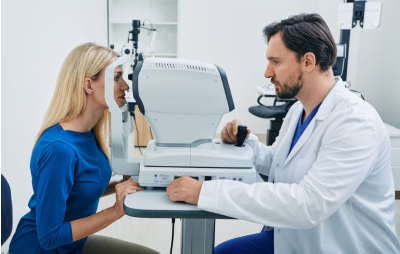
Focus Groups with Ophthalmologists in the USA & Spain Client: UK-based MR Agency Fieldwork Period: November – December 2024 Target
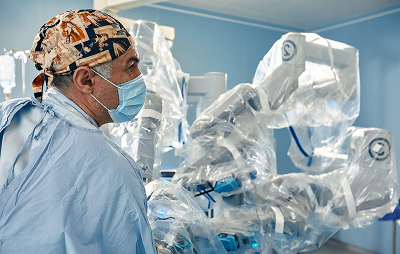
Recruiting Robotics Administrators Across the UK & USA Client: UK-based Market Research Agency Fieldwork Period: November 2024 Target Audience: Hospital

The landscape of Indian healthcare is undergoing a seismic shift. For decades, surgery meant long incisions, significant blood loss, and weeks of recovery. Today, a beam of light is changing that narrative. Medical lasers—once a staple of high-end urban hospitals—are rapidly becoming the backbone of a precision-led medical revolution across Bharat.

It is 2025, and the medical landscape in India has reached a historic milestone. What once felt like science fiction—a surgeon in Delhi operating on a patient 500 kilometers away in Lucknow—is now a documented reality. Surgical robotics has moved from the “early adopter” phase in elite metros to becoming a vital pillar of the national healthcare strategy.

In 2025, the pharmaceutical industry is undergoing a profound “chemical detox.” For decades, the sector was defined by a high-waste reality: for every kilogram of drug produced, nearly 100 kilograms of waste were often left behind. But as we move through mid-decade, Green Chemistry has shifted from a corporate social responsibility (CSR) buzzword to a core competitive advantage.

It is 2025, and the “virtual clinic” is no longer an emergency backup—it is the backbone of Indian healthcare. What began decades ago with NASA’s disaster response and ISRO’s early satellite pilots has matured into a multi-billion dollar ecosystem. With the Indian hospital market projected to boom rapidly by 2030, telemedicine is the primary driver bridging the gap between our high-tech urban hubs and our vast rural heartlands.
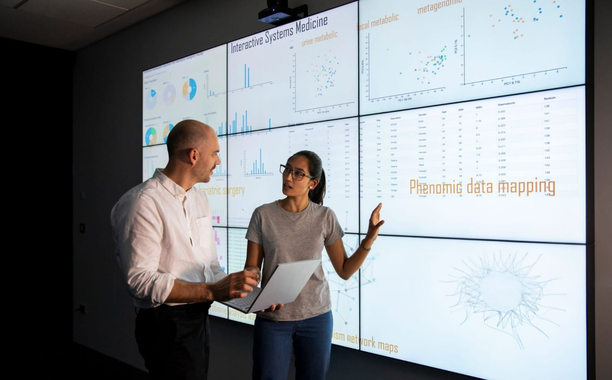
India’s healthcare landscape has officially entered its “Digital-First” era. As we move through 2025, the conversation has shifted from if technology can help to how Artificial Intelligence (AI) is already saving lives. With a population exceeding 1.4 billion and a persistent shortage of specialists—evidenced by our 1:1,511 doctor-to-patient ratio—AI has transitioned from a luxury to a critical infrastructure.

In 2025, the line between “food” and “medicine” is thinner than ever. As we prioritize longevity and peak performance, dietary supplements—from daily multivitamins to advanced “live microbials”—have become essential tools in our health kits.
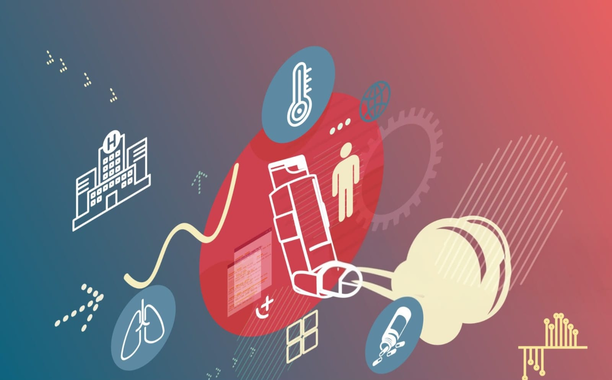
As we move through 2025, the “Digital Health” revolution is no longer a future concept—it is the current standard of care. For the 260 million people globally living with asthma, the shift toward continuous, real-time monitoring has transformed a reactive struggle into a proactive lifestyle.